
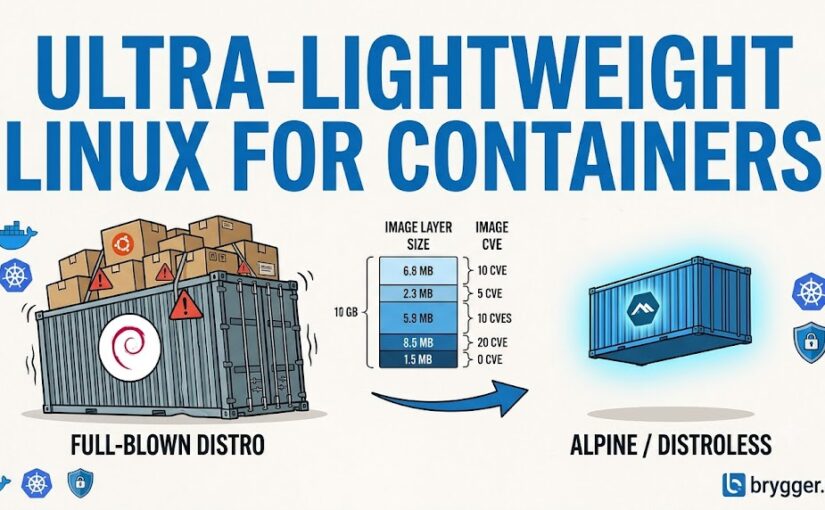
If you have spent any significant amount of time managing containerized environments, you know the pain of the “weekly CVE scramble”. You run a vulnerability scan on your pristine production application, only to find a wall of critical CVEs originating from packages your code doesn’t even touch. Why does a Go API or a Node.js microservice need a suite of device drivers, a package manager, or five different text editors sitting in its container layer?
Continue reading Transitioning to Ultra-Lightweight Linux Distributions for ContainersTag: docker
Bulletproofing Docker Containers with Advanced Healthchecks
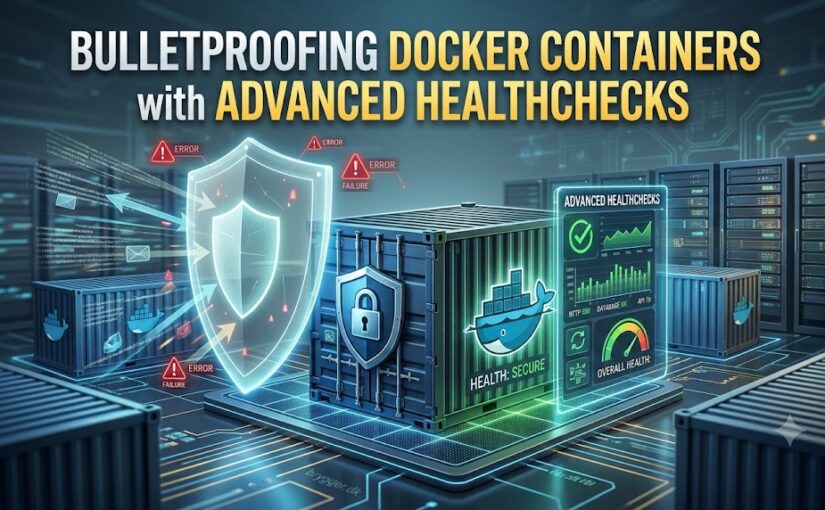
In the world of containerized applications, “running” does not always mean “working”. We’ve all been there: a Docker container starts up successfully, the docker ps command happily reports its status as Up, and yet, your application is completely unresponsive. It might be stuck in a deadlock, failing to connect to a database, or silently suffocating under an unhandled exception.
Running Docker on Alpine Linux: Getting Started and Best Practices for a Fresh Server
Alpine Linux is one of the best choices for running Docker in production or development. It’s incredibly lightweight (under 10 MB base install), secure by design (musl libc, minimal attack surface), and uses far fewer resources than Ubuntu or Debian. Pairing it with Docker gives you a lean, efficient host that’s perfect for self-hosting apps, microservices, or homelab projects.
Continue reading Running Docker on Alpine Linux: Getting Started and Best Practices for a Fresh Server