
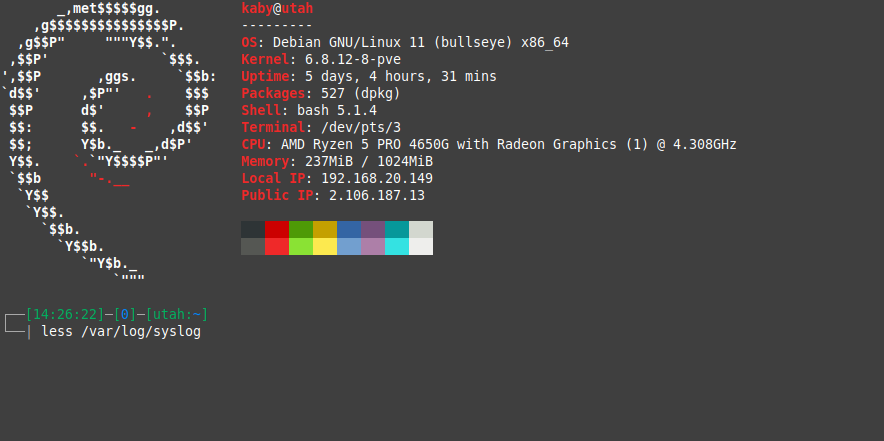
The less command is a powerful utility in Linux used for viewing text files or command output interactively. Unlike cat, which displays the entire content at once, or more, which allows limited navigation, less provides advanced navigation and search functionalities, making it ideal for viewing large files.
Author: kaby
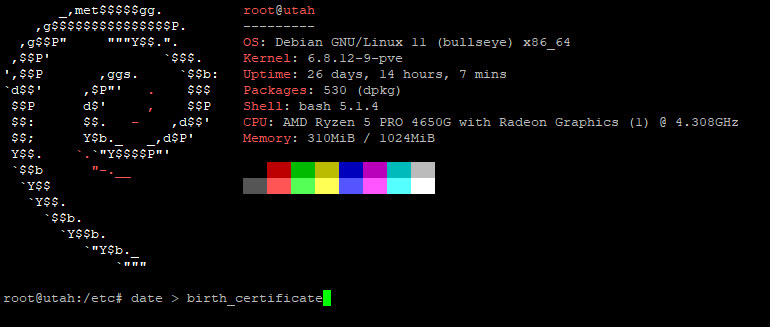
Documenting Your Server’s Birth: A Simple Linux Tip
In the world of server administration, keeping track of key events and configurations is paramount. While sophisticated tools and documentation practices are essential for complex environments, sometimes the simplest solutions offer the most immediate value. Here’s a little trick I’ve found handy, especially right after a fresh Linux installation: creating a “birth certificate” for your server.
Continue reading Documenting Your Server’s Birth: A Simple Linux Tip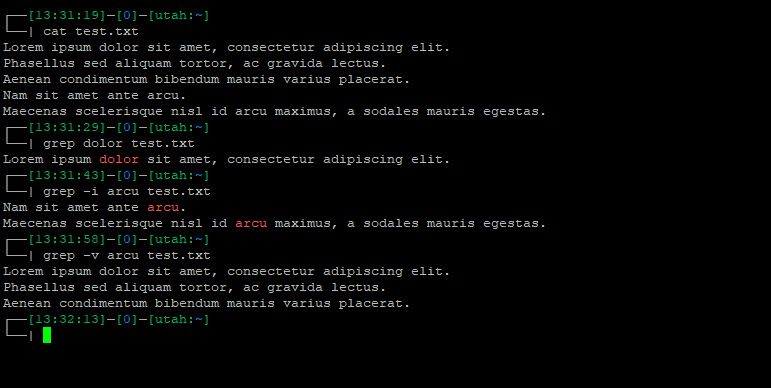
Mastering the grep Command in Linux: A Comprehensive Guide
The grep command is one of the most powerful and commonly used tools in the Linux command-line environment. It allows users to search for specific patterns within files or output streams. Whether you’re a system administrator, developer, or data analyst, mastering grep can significantly improve your efficiency.